Cities and suburbs increasingly embrace factory-built homes for affordable housing
Manufactured homes are gaining acceptance in cities and suburbs as communities seek affordable housing solutions amid ongoing shortages.
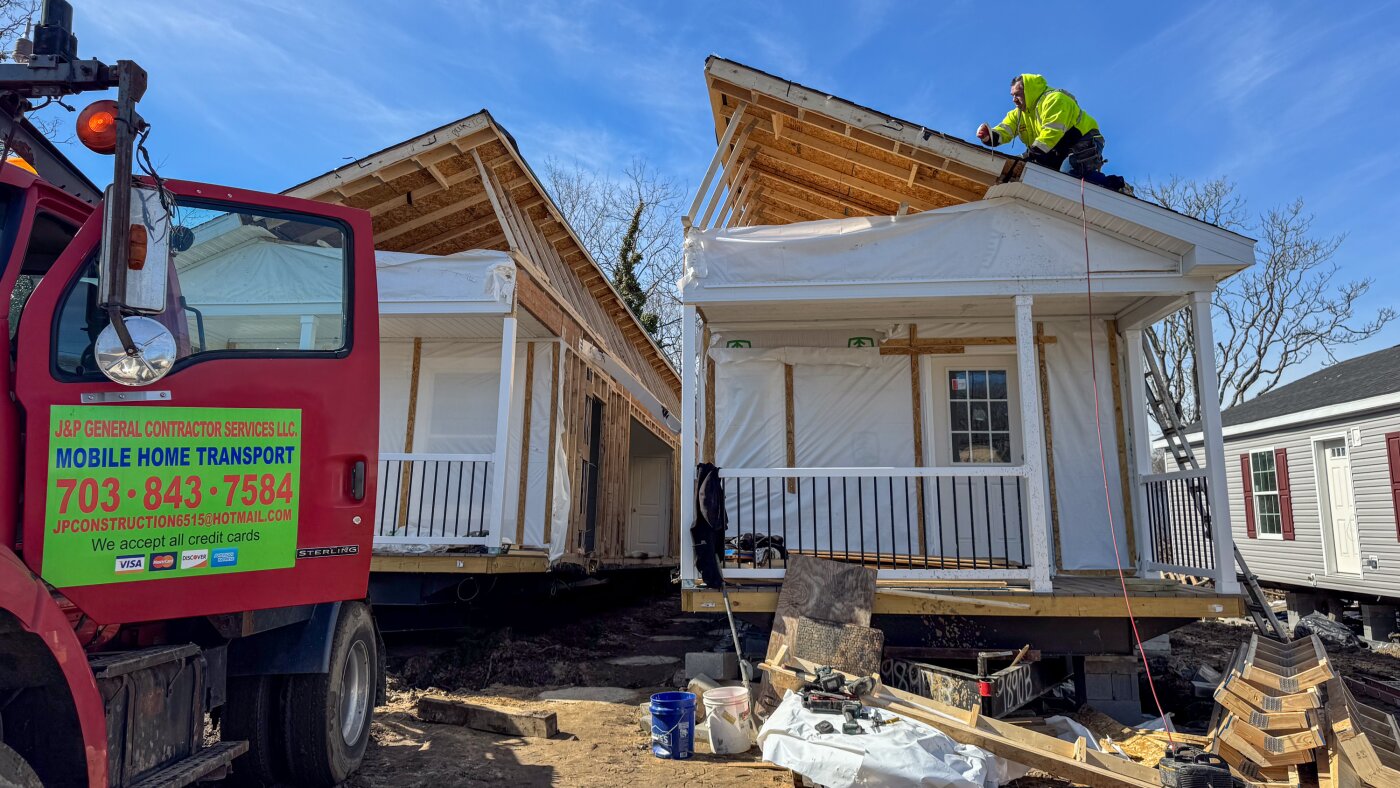
Manufactured homes, long relegated to trailer parks and excluded from many urban and suburban areas, are increasingly being welcomed by communities seeking affordable housing solutions.
The shift represents a significant change in how local governments view factory-built housing. Historically, manufactured homes faced zoning restrictions that kept them out of cities and suburbs, while social stigma associated them with lower-quality housing options.
Several factors are driving the renewed interest in manufactured housing. Updated designs have improved the appearance and quality of these homes, making them more appealing to both residents and local officials. The ongoing housing shortage has also forced communities to reconsider all available options for providing affordable starter homes.
Local zoning codes are being revised in various jurisdictions to accommodate manufactured housing in areas where it was previously prohibited. This regulatory change opens up new possibilities for placement of these homes beyond traditional mobile home parks.
The trend reflects broader efforts by communities to address housing affordability challenges. As traditional homebuilding costs continue to rise, factory-built homes offer a potentially more cost-effective alternative that can help meet demand for affordable housing options.
The acceptance of manufactured housing in more diverse residential settings marks a notable shift in housing policy and community attitudes toward alternative forms of homeownership.