UK Parliament Passes Bill to Remove Hereditary Peers from House of Lords
Legislation abolishing the 92 reserved seats for hereditary peers in the House of Lords has passed through Parliament.
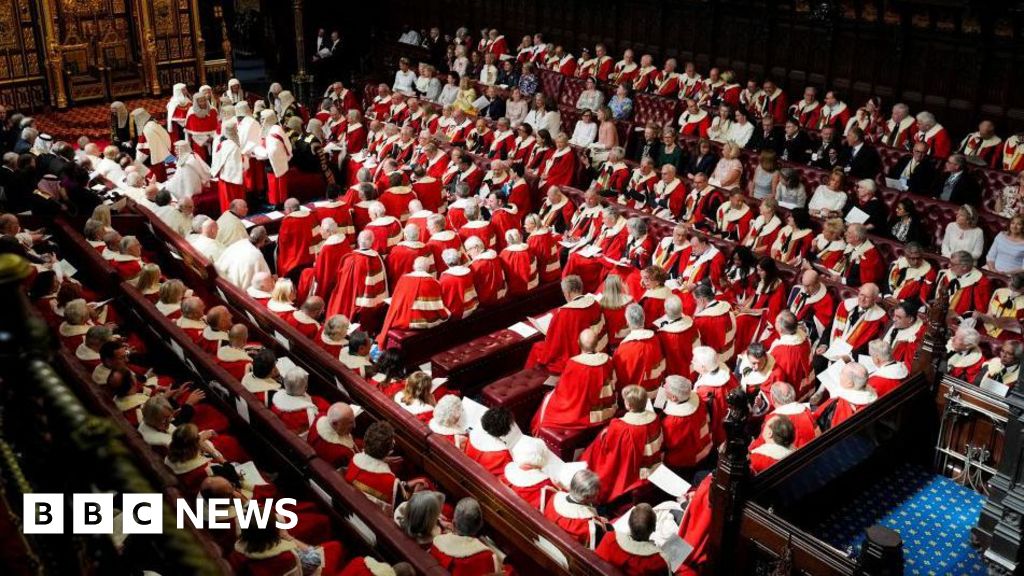
The UK Parliament has passed legislation that will remove hereditary peers from the House of Lords, ending a centuries-old tradition of inherited political representation.
The bill specifically abolishes the 92 seats that are currently reserved for peers who inherit their titles through family lineage. These positions have allowed individuals to sit in the upper chamber of Parliament based solely on their ancestral heritage rather than appointment or election.
Hereditary peers have been a fixture in the House of Lords since its establishment, representing an aristocratic element in Britain's legislative system. The 92 remaining hereditary peer positions were preserved even after major House of Lords reforms in previous decades that removed the automatic right of all hereditary peers to sit in the chamber.
The legislation represents a significant constitutional change that will alter the composition of the House of Lords. Once implemented, the upper chamber will consist entirely of life peers, who are appointed for their lifetime, and bishops.
The timing for when the changes will take effect and the specific process for implementation have not been detailed in the current reporting. The bill's passage marks the latest step in ongoing efforts to modernize Britain's parliamentary system.