Maritime Traffic and Casualties in Middle East Conflict Under Scrutiny
News outlets examine shipping disruptions and human costs amid escalating tensions involving the US, Israel, and Iran in strategic waterways.
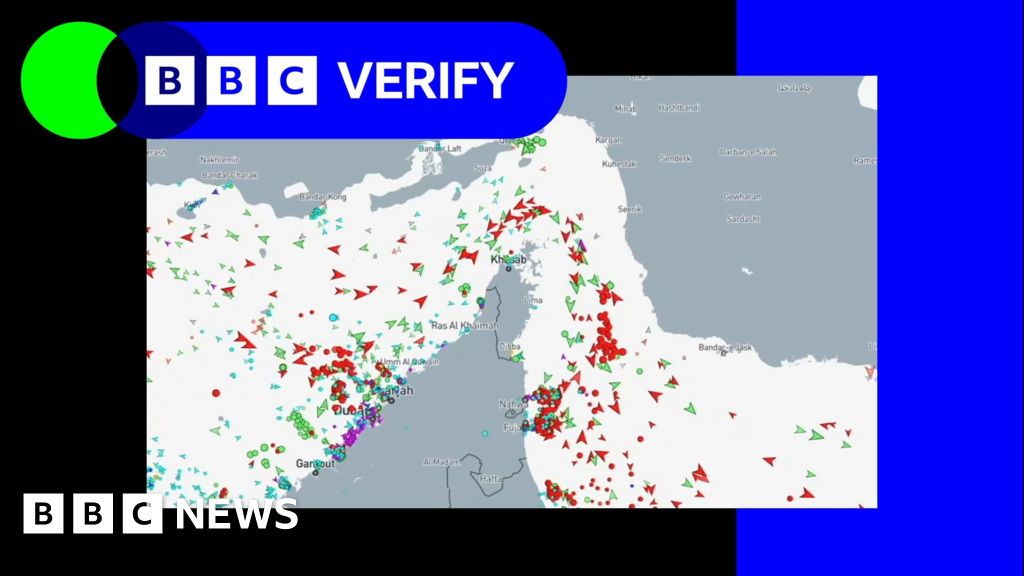
International media organizations are focusing attention on the maritime and human dimensions of the ongoing Middle East conflict involving the United States, Israel, and Iran.
The BBC has examined the impact on commercial shipping through the Strait of Hormuz, a critical global trade passage that handles approximately one-fifth of the world's petroleum liquids transit. The strait, located between Iran and the Arabian Peninsula, serves as a vital chokepoint for international commerce and energy supplies.
Meanwhile, Reuters is investigating casualty figures from the multi-party conflict, seeking to document the human toll of military actions involving the three nations. The complexity of the situation, with multiple actors and theaters of operation, has made accurate casualty assessment challenging.
The Strait of Hormuz has historically been a focal point during regional tensions due to its strategic importance for global oil markets. Any disruption to shipping in the narrow waterway typically triggers concerns about energy security and supply chain stability worldwide.
Both the maritime security situation and casualty documentation efforts reflect the broader international concern about the escalating nature of the conflict and its potential regional and global implications.