Rabies Death Prompts Review of Disease Notification Period, Inquest Hears
An inquest into Yvonne Ford's rabies death reveals diagnostic challenges and calls for policy changes to prevent similar cases.
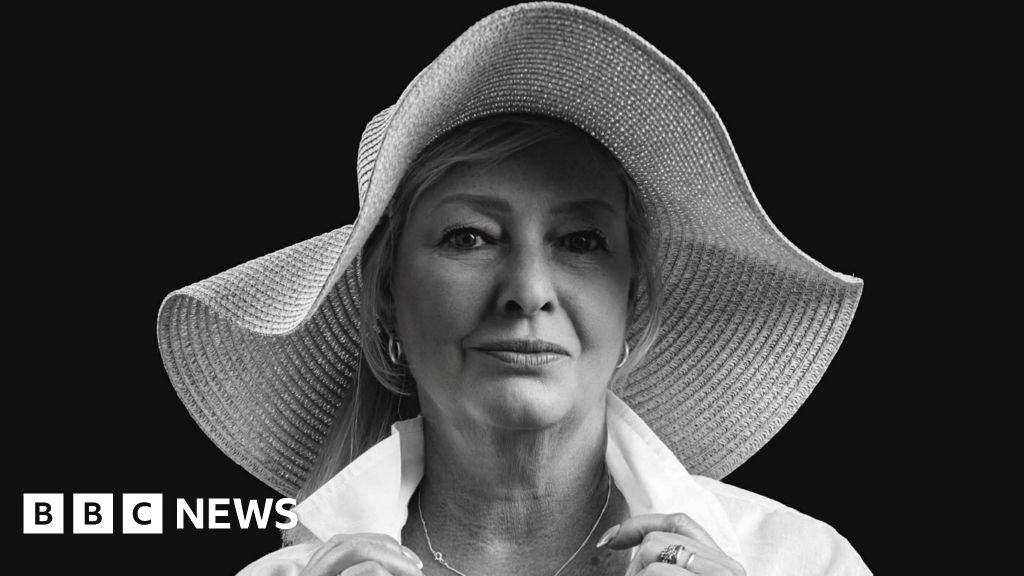
An inquest into the death of Yvonne Ford from rabies has revealed that doctors struggled to diagnose her condition before learning about a dog scratch she sustained during a holiday abroad.
Ford's death has prompted discussions about potentially changing disease notification periods, according to testimony heard during the proceedings. Medical professionals treating Ford faced diagnostic difficulties until they were informed about the animal encounter that occurred during her travels.
Ford's daughter testified at the inquest that her mother's deterioration was "traumatic" for the family. She expressed hope that changes would be implemented to prevent other families from experiencing similar losses.
The case highlights challenges in diagnosing rabies, particularly when initial symptoms may not immediately point to the disease and when patients or families may not initially connect symptoms to potential animal exposures during travel.
Rabies remains rare in developed countries but can be fatal once symptoms appear. The disease is typically contracted through bites or scratches from infected animals, with a variable incubation period that can complicate diagnosis.
The inquest findings may lead to recommendations for changes in how suspected rabies cases are handled and reported, potentially affecting notification procedures for healthcare providers dealing with similar cases in the future.